Feeding Difficulties in Children: More Than “Picky Eating”

Feeding Difficulties in Children: More Than “Picky Eating”

Feeding is one of the most complex skills a child develops.

It requires:
• Strength and coordination of the lips, tongue, and jaw
• The ability to chew and move food safely in the mouth
• Coordinating breathing and swallowing
• Sensory processing of textures, temperatures, and tastes
• Postural stability and motor control

For some children; especially those with global developmental delays, neurological impairments, prematurity, or medically fragile, feeding can be much more challenging.

Feeding difficulties may look like:
• Difficulty chewing or managing textured foods
• Gagging, coughing, or choking
• Food refusal or limited food acceptance
• Prolonged bottle or pureed food dependence
• Pocketing food in the cheeks
• Reliance on G-tube feeding
• Being NPO (nothing by mouth) due to medical safety concerns

It’s important to understand:
Feeding challenges are rarely about behavior alone. They often reflect underlying motor, sensory, or medical factors.

Chewing is a learned skill. Swallowing safely requires precise coordination. And for some children, these skills need guided and personalized support.

Feeding therapy focuses on:
• Building oral motor strength and coordination
• Supporting safe swallowing
• Developing chewing patterns
• Improving sensory tolerance
• Collaborating with medical teams when needed
• Helping families feel confident and supported

Progress in feeding isn’t always linear. Sometimes success looks like:
• Tolerating a new texture
• Moving food side to side in the mouth
• Staying regulated during a meal
• Safely managing small bites

Every small step matters.

If you’re concerned about your child’s feeding, early support can make a meaningful difference.

Feeding is not just about nutrition.
It’s about safety, development, and participation in daily life.

Feeding Difficulties in Children

Feeding difficulties in children can pose significant challenges, affecting not only their nutrition but also their overall development and well-being. Whether it’s mechanical issues like chewing and swallowing difficulties or behavioral challenges such as selective eating and restrictive diets, these issues can impact a child’s ability to enjoy a variety of foods and get the necessary nutrients for growth.

Understanding Feeding Difficulties

Feeding difficulties encompass a wide range of issues that can arise in childhood. Some children may struggle with chewing or swallowing due to neuromuscular conditions or anatomical abnormalities. Others may exhibit behavioral challenges, leading to extreme pickiness or refusal of certain foods. These difficulties can lead to nutritional deficiencies, poor weight gain, and even social and emotional stress for both the child and their family.

The Role of Embrace Your Speech in Monmouth County

In Monmouth County, Embrace Your Speech offers specialized services tailored to address feeding difficulties in children comprehensively. Their approach integrates therapeutic techniques designed to enhance feeding skills and promote positive eating behaviors.

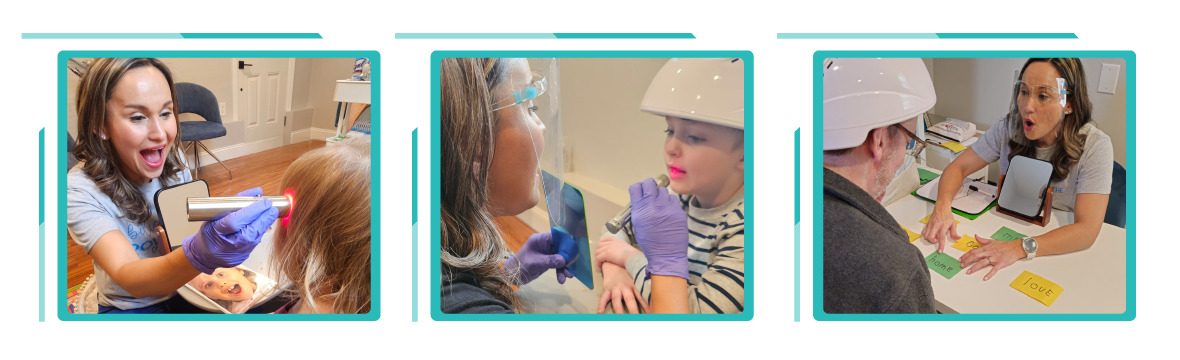
Neuromuscular Electrical Stimulation (NMES) and Red Light Therapy

Embrace Your Speech utilizes advanced therapeutic modalities such as Neuromuscular Electrical Stimulation (NMES) and Red Light therapy to support children in overcoming feeding challenges:

  • Neuromuscular Electrical Stimulation (NMES): NMES is a technique that involves the use of electrical pulses to stimulate muscles involved in chewing and swallowing. This therapy can help strengthen these muscles, improve coordination, and enhance overall swallowing function.
  • Red Light Therapy: Red Light therapy utilizes specific wavelengths of light to stimulate cellular activity and promote healing. In the context of feeding difficulties, it can aid in reducing inflammation, enhancing oral motor function, and improving sensory processing related to eating.

Positive Changes through Therapy

The team at Embrace Your Speech understands that each child’s feeding difficulties are unique. Through personalized evaluation and therapy plans, they work closely with families to:

  • Address Mechanical Issues: Therapy focuses on improving oral motor skills, enhancing chewing and swallowing abilities, and ensuring safe and efficient feeding.
  • Manage Behavioral Challenges: Techniques are employed to reduce anxiety around food, expand food variety, and establish positive eating habits.
  • Support Nutritional Needs: By overcoming feeding difficulties, children can access a wider range of nutritious foods, supporting their growth and development.

Empowering Families

Embrace Your Speech not only supports children but also empowers families with the knowledge and skills needed to continue fostering positive eating behaviors at home. They provide practical strategies and ongoing support to ensure continued progress and success beyond therapy sessions.

Conclusion

Feeding difficulties in children can be complex and multifaceted, but with specialized services like those offered by Embrace Your Speech in Monmouth County, positive changes are within reach. Through innovative therapies like Neuromuscular Electrical Stimulation (NMES) and Red Light therapy, children can overcome obstacles to healthy eating and thrive. If your child is struggling with feeding difficulties, consider reaching out to Embrace Your Speech for compassionate, effective support tailored to their unique needs.

Take the first step towards a healthier, happier feeding journey—because every child deserves the joy of nourishment and the freedom to explore the world of food.