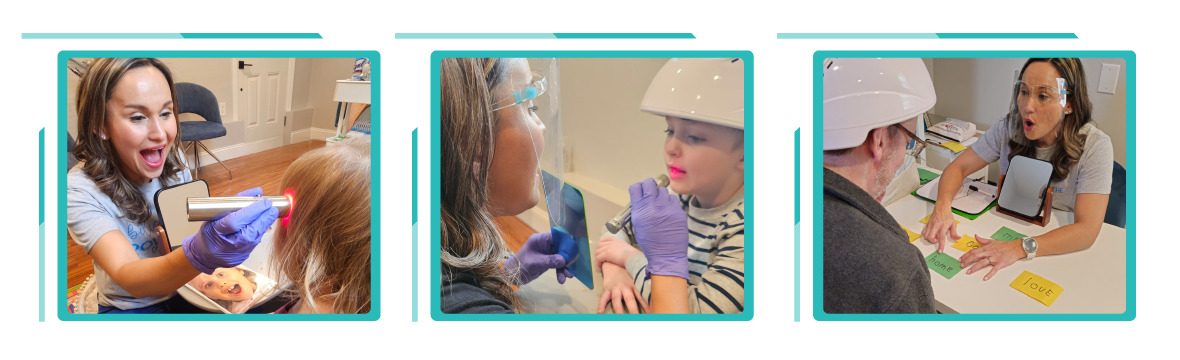


Experiencing a stroke can bring about numerous challenges, and one of the less talked about but critically important issues are stroke and feeding difficulties. This blog post focuses on how feeding therapy can help stroke survivors manage these difficulties, enhancing their quality of life.
Recognizing Stroke and Feeding Difficulties
Feeding difficulties after a stroke, commonly referred to as dysphagia, can occur due to weakened muscle control in the mouth and throat. This impairment makes swallowing difficult and increases the risk of serious complications like choking, aspiration (food or liquid entering the airway), pneumonia, malnutrition, and dehydration.
Common Signs of Dysphagia Include:
- Coughing or choking during or after eating or drinking
- Sensation of food being stuck in the throat
- Frequent pneumonia
- Unintended weight loss
Identifying these signs early is critical for effective intervention and management of stroke and feeding difficulties.
The Importance of Feeding Therapy for Stroke Survivors
Feeding therapy plays a crucial role in assisting individuals who face Dysphagia. It aims to restore safe eating and swallowing capabilities through a structured approach.
Initial Assessment by Embrace Your Speech
At Embrace Your Speech, we will conduct a thorough assessment to evaluate the severity and specific challenges related to stroke and feeding difficulties. This may involve clinical observations and muscle function tests.
Tailored Treatment Plan
Following the assessment, we will devise a personalized treatment plan to address the identified stroke and feeding difficulties. Components of this plan often include:
- Strengthening Exercises: Techniques to bolster the muscles responsible for swallowing.
- Use of Neuromuscular Electrical Stimulation or NMES to increase strength and range of motion of laryngeal and facial muscles.
- Swallowing Techniques: Adjustments in head posture and swallowing strategies to improve safety and efficiency.
- Diet Modifications: Adjustments in food textures and liquid consistency to ease swallowing.
Monitoring and Adapting the Therapy
Recovery from Dysphagia varies among individuals. Continuous monitoring allows our team to modify the therapy plan as needed, improving its effectiveness and adapting to the patient’s progress.
Nutritional Management and Hydration
Addressing nutritional needs is essential when managing Dysphagia. Collaboration with dietitians helps ensure that stroke survivors receive balanced, safe diets that support their recovery. This might involve:
- Easy-to-swallow, high-calorie foods
- Thickened beverages to prevent aspiration
- Nutritional supplements to maintain adequate health
Leveraging Technology
Emerging technologies and tools can significantly aid in the management of these difficulties, including:
- Feedback devices for monitoring swallowing
- Mobile apps that facilitate swallowing exercises and track improvements
- Specialized utensils and feeding equipment designed for ease of use
Addressing Emotional and Social Well-being
Feeding difficulties after a stroke can also impact emotional and social well-being, as difficulty eating may lead to social embarrassment and isolation. Therapy often includes support for these psychological aspects, enabling patients to engage in social activities and meals confidently.
Conclusion
Effective management of Dysphagia through feeding therapy is vital. It enhances not only the physical health of stroke survivors but also their emotional well-being and overall quality of life. At Embrace Your Speech, we are committed to supporting patients as they navigate the complexities of recovery from stroke and feeding difficulties. Together, we can overcome these challenges and celebrate each step towards recovery.
